Simple Sequence Repeats (SSRs), also referred to as microsatellites or short tandem repeats (STRs), are repetitive DNA sequences characterized by short motifs that are tandemly repeated. These SSRs exhibit a high degree of polymorphism and are distributed throughout the genomes of diverse organisms, including plants. SSR markers have become invaluable tools in genetic research, molecular breeding, and crop improvement. Consequently, SSR markers have been identified and characterized in the genomic sequences of numerous organisms, particularly millets.
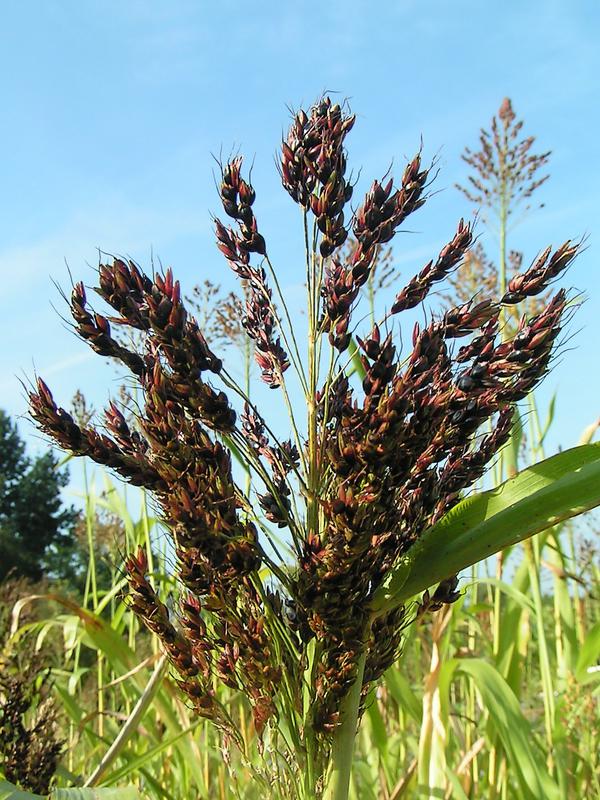
Millets, an assorted group of small-seeded grasses, have been cultivated for centuries and are vital staple crops in many regions worldwide. They are renowned for their adaptability to harsh growing conditions, especially in arid and semi-arid climates. This resilience makes millets an important food source where other cereals struggle. They are drought-tolerant and have a short growing season, making them suitable for both rainfed and irrigated agricultural systems.
Our database provides comprehensive information on SSR markers discovered in various millet species. Users can access data on the type of microsatellite (simple or compound), motif repeat patterns (di- to hexa-nucleotide), custom repeat motifs, and their genomic locations.

Finger Millet (Eleusine coracana)

Foxtail Millet (Setaria italica)

Proso Millet (Panicum miliaceum)